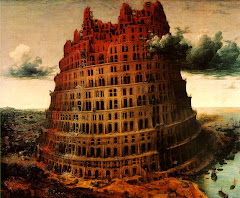
My Wednesday night men's group was given the assignment of presenting a brief biographical sketch. My response was to pile as many details as possible into a small container, shake vigorously, and see what comes out, although I think I went over the seven minute limit. In the interest of reducing, reusing, recycling, and revealing, I reproduce it almost verbatim here.
Born 1951 in a small town in Minnesota. It was the postwar era, I had three older sisters, both my parents had college degrees, and upward mobility was a major theme.
When I was three, we moved across the Mississippi to a larger town in Wisconsin. What I recall most vividly is the house on Market Street, riding my red Schwinn, and walking to Hogan School two blocks away. I remember learning to read and do long division, playing a lot of baseball, basketball, football, and war with the other boys in the neighborhood. The Milwaukee Braves, Minneapolis Lakers, and Green Bay Packers were our teams. In war it was still us versus the Germans. I spent a lot of time alone, and that was fine with me. My parents were a steady presence, and we were a close-knit family.
Grandpa Anderson died in 1960, just before we moved to Detroit, which was a whole new world populated by the Detroit Tigers, Pistons, and Lions, new schools, new friends, reading the Detroit Free Press, and some influential teachers and coaches. I cared about being on the team, getting good grades, getting to know girls; I read a lot of biographies and histories. My brother was born when I was eleven, and I enjoyed having and being a brother.
In 1966 we moved to a more affluent suburb, and I started to learn about wealth and status. I played basketball, found out I liked to write, and got some recognition working on the high school newspaper and then the town newspaper. I liked being known. I found out that having a car was important (this was Detroit in the 1960s) and I liked driving my 1966 Mustang. I also learned about limitations: I wasn't the smartest, coolest, fastest, strongest, or most talented guy around, and I never would be.
I went to school in Ohio for two years and tried to do everything. I was in the Honors College, dorm government, on the track team, intramural sports, into politics, and eventually serious 'partying'. When I transferred to Michigan, I got an apartment with two friends from high school and did more 'partying' than studying - but it was SERIOUS partying. In and out of school for two years, I had very little academic focus, but I did connect with a couple of really interesting women.
I moved to the Upper Peninsula with a friend in 1974, and a whole new adventure began. When not traveling to Texas, Georgia, Indiana, or Florida, I worked in a candle shop and a food coop, drove a school bus, lived in a tent, played ball, played music, and gradually migrated west from Munising to AuTrain to Deerton to Marquette, where Northern Michigan University provided my first exposure to yoga and modern dance - and a couple of really interesting women.
Instead of staying in the UP, I accepted my sister Jo Jo's invitation to go south. I moved to Strawberry Mountain Farm in north Georgia in 1976 and met my future bride. We worked and played for two years among a loosely organized group of people attempting to build a therapeutic community. Helping run health-related workshops with folks from the city gave us a lot of opportunities for gardening, hiking, fun and games, taking care of horses and cows, as well as human interaction, miscommunication, and conflict.
Gven and I moved to Chicago for a year, where I met an important teacher and started to study taiji. Gven made a lot of friends working at a great restaurant called the Heartland Cafe, and I worked first for a weekly newspaper and then for the phone company. We made good use of the resources of city life: museums, libraries, restaurants, theater, music, and public transporation. That December we returned to Atlanta to get married. We initially moved to Ithaca, New York, where we met a very good teacher, and almost went to school at SUNY Cortland, but changed our minds and landed in Oberlin.
We spent two years in Oberlin, where I met another important teacher and learned a little about philosophy and its relation to everything. I learned more taiji and got the chance to coach both basketball and track as a student assistant. I also had a nice job writing for the faculty-staff newspaper and learned a little about academic politics. After graduating, I got a one-year job teaching at New Garden Friends School in North Carolina. Shortly before Jessi was born in 1982, we migrated back to Atlanta.
Jessi and Zelda were born in Atlanta 20 months apart. We lived in three different houses in three different neighborhoods. I worked for a carpenter, a psychologist, a retail nursery, a landscaper, and a tree-planting crew. I taught taiji at Emory, Clayton, Georgia State, and a dance studio. When I got a paper published, we decided it was time for graduate school, so we moved back to Ohio. The kids were toddlers.
At Ohio State I connected with a couple of influential teachers and learned a little more about philosophy, history, literature, language, research, writing, and more taiji. I also connected with a couple of peers in a drinking and discussion group we called the Physical Club after our heroes William James, C.S. Peirce, and their friends, the original pragmatists, who called themselves (tongue in cheek) the Metaphysical Club. Gven went to massage school and had a thriving practice in Grandview. The kids were starting school, playing soccer, and making friends.
When I graduated, we went to south Alabama for a one-year teaching job that didn't work out. We moved back to Ohio, this time to Clintonville, where the kids made new friends in a new school and started to discover their own gifts. I worked here and there doing landscaping, baking bread, doing I Ching readings on the psychic hotline, teaching ethics and critical thinking at a community college. Freelance copyediting for SUNY Press helped me get into textbook editing at LDA, which helped me get into production editing at Megacorporate Publishing, where I've been for almost eight years.
Jessi and Zelda grew up in central swingstate and went through pretty good public schools. I was able to be present in their soccer teams, coach their basketball teams, scream my head off watching Jessi run track and cross country, go to Zelda's band concerts, and witness their friendships, adolescent struggles, and college transitions. Gven and I moved to a smaller house in Methodistville, and now the kids are grown, mostly on their own, but still very much part of our lives.
(That's over the seven-minute limit, but it's hard to decide what to leave out. It's also hard to tell what larger truth, if any, emerges, aside from the obvious horizontal mobility.)
Friday, October 05, 2007


Thursday, October 04, 2007
Contemporaryfictiongurl
Look! Up in the sky! Is it a bird? Is it a plane? No, it's Contemporaryfictiongurl!
It's late September and cool in the morning. I walk around and check the pepper plants, which are starting to ripen, and pick a handful of cherry tomatoes.
I sat out on the patio and read a couple chapters of Snow Crash while I ate my fried egg sandwich with a second cup of coffee. A hacker named Hiro Protagonist is hot on the trail of a neurolinguistic conspiracy to reverse the Tower of Babel story by reprogramming everyone to speak in tongues. Some would call it "science fiction" because that's the section where it is shelved in the bookstore. Others would call it "cyberpunk" because that's the subgenre where its fans say it fits like a nanotechnological glove. I'm just looking for a live story.
This is the suburbs. Name's Sven Golly. I'm an editor.
After breakfast I mixed some dry yeast with warm water and sugar, let it sit, added flour, and set the bowl of whole wheat sponge out in the sun to grow into dough. Then I started a second batch, pouring sourdough starter into a bowl, adding a little oil and water, some flour, and setting it in the sun to encourage select microorganisms to propagate and grow in that nutritious, moist medium and carry their informational structure into their organic environment. A culture spreads in a community; software informs and instructs hardware; viruses attach themselves to a habitable medium and change it.
I hear a dog's sharp bark down the block and look around for Dali. A minute ago she was chasing a squirrel up a tree, but I don't see her anywhere in the yard. She isn't napping in her usual chair in the house, so I worry. Did I leave a gate open? I walk to the corner, where some new neighbors, Rita and Dennis, are sitting in lawn chairs having a yard sale. "Nice bike. You haven't seen a little spotted dog, have you?" No, they haven't, and the barking is their golden retriever. I hadn't even noticed their moving in (this week?), or Brian's moving out (last week?), or the for-sale sign being taken down. That's how disconnected I am from my immediate environment.
Is there a story here? Can one be crafted from the scant material available? Does the mind make one up anyway, filling in the missing facts as needed to make sense of it all? I decide to check one more place, and Dali is found whimpering in the upstairs bedroom where she has locked herself in. Mystery solved.
I decide to pickle some cherry tomatoes in a sealed jar of saltwater and see how they react. It works with peppers, why not tomatoes?
Something purple has dripped on the pale pink ceramic tiles of the patio table, staining it in irregular blotches. A few little bundles of brown pine needles mixed in, smearing the purple pigment. Some kind of berries? Bird poop from the overhanging maple tree? One perfectly radiating purple splatter looks like photos of solar flares leaping from the surface of the sun, or Jackson Pollack's careful randomness, or an ink blot on paper.
Zelda wants me to read The Things They Carried by Tim O'Brien. I don't know why, but she thinks I'd like it. I saw a copy of it lying on the floor of her room. She declared her intention yesterday to read a "classic" once a month to make up for the many great books that weren't assigned while she was in school. I had to ask what defines 'classic', and for her purposes it's canonical literature - Beowulf, Dickens, Hemingway. I think she knows what she's doing: she calls herself a "contemporary fiction girl." She wants to broaden her knowledge base, and she's in a good position to do it now.
When I found the dog up in Zelda's room, there was stuff all over the place: clothes, art books, paperbacks, cigarettes, empty cups and glasses. Yet I sense an orderly, self-contained fermentation taking place in that warm space.
It's late September and cool in the morning. I walk around and check the pepper plants, which are starting to ripen, and pick a handful of cherry tomatoes.
I sat out on the patio and read a couple chapters of Snow Crash while I ate my fried egg sandwich with a second cup of coffee. A hacker named Hiro Protagonist is hot on the trail of a neurolinguistic conspiracy to reverse the Tower of Babel story by reprogramming everyone to speak in tongues. Some would call it "science fiction" because that's the section where it is shelved in the bookstore. Others would call it "cyberpunk" because that's the subgenre where its fans say it fits like a nanotechnological glove. I'm just looking for a live story.
This is the suburbs. Name's Sven Golly. I'm an editor.
After breakfast I mixed some dry yeast with warm water and sugar, let it sit, added flour, and set the bowl of whole wheat sponge out in the sun to grow into dough. Then I started a second batch, pouring sourdough starter into a bowl, adding a little oil and water, some flour, and setting it in the sun to encourage select microorganisms to propagate and grow in that nutritious, moist medium and carry their informational structure into their organic environment. A culture spreads in a community; software informs and instructs hardware; viruses attach themselves to a habitable medium and change it.
I hear a dog's sharp bark down the block and look around for Dali. A minute ago she was chasing a squirrel up a tree, but I don't see her anywhere in the yard. She isn't napping in her usual chair in the house, so I worry. Did I leave a gate open? I walk to the corner, where some new neighbors, Rita and Dennis, are sitting in lawn chairs having a yard sale. "Nice bike. You haven't seen a little spotted dog, have you?" No, they haven't, and the barking is their golden retriever. I hadn't even noticed their moving in (this week?), or Brian's moving out (last week?), or the for-sale sign being taken down. That's how disconnected I am from my immediate environment.
Is there a story here? Can one be crafted from the scant material available? Does the mind make one up anyway, filling in the missing facts as needed to make sense of it all? I decide to check one more place, and Dali is found whimpering in the upstairs bedroom where she has locked herself in. Mystery solved.
I decide to pickle some cherry tomatoes in a sealed jar of saltwater and see how they react. It works with peppers, why not tomatoes?
Something purple has dripped on the pale pink ceramic tiles of the patio table, staining it in irregular blotches. A few little bundles of brown pine needles mixed in, smearing the purple pigment. Some kind of berries? Bird poop from the overhanging maple tree? One perfectly radiating purple splatter looks like photos of solar flares leaping from the surface of the sun, or Jackson Pollack's careful randomness, or an ink blot on paper.
Zelda wants me to read The Things They Carried by Tim O'Brien. I don't know why, but she thinks I'd like it. I saw a copy of it lying on the floor of her room. She declared her intention yesterday to read a "classic" once a month to make up for the many great books that weren't assigned while she was in school. I had to ask what defines 'classic', and for her purposes it's canonical literature - Beowulf, Dickens, Hemingway. I think she knows what she's doing: she calls herself a "contemporary fiction girl." She wants to broaden her knowledge base, and she's in a good position to do it now.
When I found the dog up in Zelda's room, there was stuff all over the place: clothes, art books, paperbacks, cigarettes, empty cups and glasses. Yet I sense an orderly, self-contained fermentation taking place in that warm space.
Monday, September 24, 2007
Terra Cotta
They call it Mabon in the Old Religion, aka Autumnal Equinox in the Latin updated postpagan cooptation, or the First Day of Fall in good old Amerikan. Whichever way you slice it, something is Turning. I'm told that Yom Kippur, at least in part, is about turning away from something and toward toward something else. People ritually look at what is left behind and what is ahead. So I'm told.
At this point in my life, it's important for me to take stock, assess the damage, and prepare to move forward and make the same mistakes all over again. I figure you can either have the life you want (cake) or share it with someone (eat it). It's at times like this that I like to stop and take a moment to defoliate the roses.
To celebrate the Turning of the Seasons, Gven Golly and I floated the blue canoe out on Hoover Reservoir for the last couple of hours of daylight, paddled across to the east shore, up to the Sunbury Road bridge, and back down the west shore. Almost no wind and not much boat activity, a couple of pontoon boats, a small sailboat, and a few little motorboats making a mild wake. When it got dark, we went to Old Bag of Nails for a Guinness and some fish and chips.
Up to that point, it was a cloudless late summer day in the back yard working with terra cotta tiles, re-doing the walkway that leads from the gate to the patio. The patio itself is finished, at least for this year, but the walkway was in bad shape.
It was the day of the Michigan game in ought-three that I bent the formerly straight walkway to angle in toward the middle of the patio so it would be more like entering a room. My craftsmanship was somewhat less than permanent, so here I am again, shoring up the sides, smoothing out the sand and gravel, placing earthen pavers about the size of a brick but thinner a little tighter and a little flatter - for a while.
We didn't have the bonfire I'd had in mind, and we didn't drink mead and dance and drum. I did remember to plant four bulbs in a little planter box to see if they bloom. Then I planted several tiny garlic cloves in the garden under the moonlight, hoping some kind of magic happens and plants come up next spring. It's all pretty unsystematic, so who knows.
At this point in my life, it's important for me to take stock, assess the damage, and prepare to move forward and make the same mistakes all over again. I figure you can either have the life you want (cake) or share it with someone (eat it). It's at times like this that I like to stop and take a moment to defoliate the roses.
To celebrate the Turning of the Seasons, Gven Golly and I floated the blue canoe out on Hoover Reservoir for the last couple of hours of daylight, paddled across to the east shore, up to the Sunbury Road bridge, and back down the west shore. Almost no wind and not much boat activity, a couple of pontoon boats, a small sailboat, and a few little motorboats making a mild wake. When it got dark, we went to Old Bag of Nails for a Guinness and some fish and chips.
Up to that point, it was a cloudless late summer day in the back yard working with terra cotta tiles, re-doing the walkway that leads from the gate to the patio. The patio itself is finished, at least for this year, but the walkway was in bad shape.
It was the day of the Michigan game in ought-three that I bent the formerly straight walkway to angle in toward the middle of the patio so it would be more like entering a room. My craftsmanship was somewhat less than permanent, so here I am again, shoring up the sides, smoothing out the sand and gravel, placing earthen pavers about the size of a brick but thinner a little tighter and a little flatter - for a while.
We didn't have the bonfire I'd had in mind, and we didn't drink mead and dance and drum. I did remember to plant four bulbs in a little planter box to see if they bloom. Then I planted several tiny garlic cloves in the garden under the moonlight, hoping some kind of magic happens and plants come up next spring. It's all pretty unsystematic, so who knows.
Tuesday, September 18, 2007
Winterizing
It's not a rational thing at all, like checking things off a to-do list. It's more like a Jack London tribal wheel turning in the base of my skull and making me put on wool socks. Like a goose flying south, all it takes is a little nip in the air for me to hunker down, prepare my cave for winter, and start laying in the firewood. That's not quite true. It takes a village, or at least a neighbor who has a tree service come and take down a big silver maple in their back yard so I can pick up the pieces.
We woke up to the sound of chainsaws on Labor Day, and their giant chipper was right there, and I didn't want to see good firewood turned into mulch, so I asked the boss, and he said, "Take what you want," so I made several trips across the street with the wheelbarrow with whatever I could lift. I figure it's around a cord. Now, will it dry in time to burn this winter, or will it have to wait until next year?
A few days later, my friend Jim spotted a pile of cut-down trees while running in the the woods near the Sanctified Brethren campus. Being a stand-up guy, Jim went to the source and asked the college grounds crew if those trees were spoken for, and they said, "Take what you want," so Jim led me to the spot and we loaded whatever we could lift in the truck. I figure it's another cord or so.
One thing leads to another. I didn't take the truck to Michigan, because Gven's car gets better mileage, and I saved about a tank of gas by driving her Accord. But as luck would have it, the truck got a flat right-front tire my first day back, and long story short, I went tire shopping the following Saturday. Discount Tire on route 23 had a good deal, so I had them replace both front tires in time to go home and listen to the football game on the radio.
In the meantime, I had an hour to kill, so I walked across route 23 to Meijer, where I'd heard they have Converse All-Stars, and my old ones are falling apart. To my surprise, they had black high-tops in my size (25 percent off!), so I decided to replace both shoes at once. I know, last of the big spenders.
That little episode made me think about the fall of 1975, when I was living in the Upper Peninsula and my beloved, neglected 1966 Mustang was breaking down. I drove it to the shop in Marquette, but because I was short on cash, I decided not to have the work done and bought a new pair of Chuck Taylors instead. Watershed moment. The Mustang sat outside the cabin in Deerton all winter while I hitched rides to and from Marquette. I sold the Mustang to a student the following spring just before hitching to Georgia.
But I digress. I've been breaking in the new Chucks this weekend, but this morning's primitive sense memory said, "Wear boots," so I put on the old brown Rockports I got at Galyan's (50 percent off!) with a gift certificate given me by a group of dear students. They looked pretty sad this morning - the boots, not the students - so I cleaned them up with saddle soap and rubbed neatsfoot oil into every crease, crack, and seam. Now they're as good as new - better in fact - and I have no doubt they will get me through another winter.
We woke up to the sound of chainsaws on Labor Day, and their giant chipper was right there, and I didn't want to see good firewood turned into mulch, so I asked the boss, and he said, "Take what you want," so I made several trips across the street with the wheelbarrow with whatever I could lift. I figure it's around a cord. Now, will it dry in time to burn this winter, or will it have to wait until next year?
A few days later, my friend Jim spotted a pile of cut-down trees while running in the the woods near the Sanctified Brethren campus. Being a stand-up guy, Jim went to the source and asked the college grounds crew if those trees were spoken for, and they said, "Take what you want," so Jim led me to the spot and we loaded whatever we could lift in the truck. I figure it's another cord or so.
One thing leads to another. I didn't take the truck to Michigan, because Gven's car gets better mileage, and I saved about a tank of gas by driving her Accord. But as luck would have it, the truck got a flat right-front tire my first day back, and long story short, I went tire shopping the following Saturday. Discount Tire on route 23 had a good deal, so I had them replace both front tires in time to go home and listen to the football game on the radio.
In the meantime, I had an hour to kill, so I walked across route 23 to Meijer, where I'd heard they have Converse All-Stars, and my old ones are falling apart. To my surprise, they had black high-tops in my size (25 percent off!), so I decided to replace both shoes at once. I know, last of the big spenders.
That little episode made me think about the fall of 1975, when I was living in the Upper Peninsula and my beloved, neglected 1966 Mustang was breaking down. I drove it to the shop in Marquette, but because I was short on cash, I decided not to have the work done and bought a new pair of Chuck Taylors instead. Watershed moment. The Mustang sat outside the cabin in Deerton all winter while I hitched rides to and from Marquette. I sold the Mustang to a student the following spring just before hitching to Georgia.
But I digress. I've been breaking in the new Chucks this weekend, but this morning's primitive sense memory said, "Wear boots," so I put on the old brown Rockports I got at Galyan's (50 percent off!) with a gift certificate given me by a group of dear students. They looked pretty sad this morning - the boots, not the students - so I cleaned them up with saddle soap and rubbed neatsfoot oil into every crease, crack, and seam. Now they're as good as new - better in fact - and I have no doubt they will get me through another winter.
Sunday, September 16, 2007
A Young Lady's Illustrated Primer
That's the subtitle. The title is The Diamond Age. It's my first exposure to Neal Stephenson's work. I think it was the dialog that first hooked me in this book.
The violence didn't shock me too much, although it wasn't what I'd expected. The nanotechnological future, like any good science fiction, seemed plausible enough to at least see where it was leading. But I need character(s), and Stephenson is very good with character(s). The engineer Hackworth and his boss, the Equity Lord Alexander Chung-Sik Finkle-McGraw, seem to hit it off despite their different stations in life, and they develop a quasi-business relationship that sets in motion some far-reaching effects having to do with a new kind of book.
The new kind of book Hackworth has designed is stolen by street thugs who don't know the value of such things, so it falls into the hands of the younger sister of one of the abused urchins, a girl named Nell. And a couple hundred pages went by without marking any particularly illuminating passages, probably because I was getting to know Nell and her unfortunate brother Harv, her school friends Fiona and Elizabeth, their sadistic teacher Miss Stricken, the workings of Castle Turing, the professional ractor and narrative catalyst Miranda, and her brilliant agent Carl Hollywood, not to mention the venerable Judge Chang and his adversary Dr. X!
Touche. If this novel has a weakness (and it does), it is that too many of the characters appear and disappear, never to be heard from again. Too much like real life. I'd like to know what became of them after they served their narrative purpose in helping propel the heroine Nell forward in her quest, but that's because I'm an old-fashioned romantic in the postmodern landscape of the Coastal Territories under seige by the Harmonious Fists of the Celestial Kingdom. So there are discontinuities, but it's worth it for the ride.
Needless to say, the wild comic adventure story is also thought-provoking and worrisome, if you think about the shifting economic powers that are jockeying for dominance in Asia, Europe, and Anglo-America. I think I'll read either Snow Crash or The Big U next and see how they compare.
"Well done, Hackworth! But must know that the model to which you allude did not long survive the first Victoria."
"We have outgrown much of the ignorance and resolved many of the internal contradictions that characterised that era."
"Have we, then? How reassuring. And have we resolved them in a way that will ensure that all of those children down there live intresting lives?"
"I must confess that I am too slow to follow you."
"You yourself said that the engineers in the Bespoke department - the very best - had led interesting lives, rather than coming from the straight and narrow. Which implies a correlation, does it not?"
"Clearly."
"This implies, does it not, that in order to raise a generation of children who can reach their full potential, we must find a way to make their lives interesting. And the question I have for you, Mr. Hackworth, is this: Do you think that our schools accomplish that? (Neal Stephenson, The Diamond Age, NY: Bantam, 1995, p. 20)
The violence didn't shock me too much, although it wasn't what I'd expected. The nanotechnological future, like any good science fiction, seemed plausible enough to at least see where it was leading. But I need character(s), and Stephenson is very good with character(s). The engineer Hackworth and his boss, the Equity Lord Alexander Chung-Sik Finkle-McGraw, seem to hit it off despite their different stations in life, and they develop a quasi-business relationship that sets in motion some far-reaching effects having to do with a new kind of book.
The new kind of book Hackworth has designed is stolen by street thugs who don't know the value of such things, so it falls into the hands of the younger sister of one of the abused urchins, a girl named Nell. And a couple hundred pages went by without marking any particularly illuminating passages, probably because I was getting to know Nell and her unfortunate brother Harv, her school friends Fiona and Elizabeth, their sadistic teacher Miss Stricken, the workings of Castle Turing, the professional ractor and narrative catalyst Miranda, and her brilliant agent Carl Hollywood, not to mention the venerable Judge Chang and his adversary Dr. X!
"The Vickys have an elaborate code of morals and conduct. It grew out of the moral squalor of an earlier generation, just as the original Victorians were preceded by the Georgians and the Regency. The old guard believe in that code because they came to it the hard way. They raise their children to believe in that code - but their children believe it for entirely different reasons."
"They believe it," the Constable said, "because they have been indoctrinated to believe it."
"Yes. Some of them never challenge it - they grow up to be small-minded people, who can tell you what they believe but not why they believe it. Others become disillussioned by the hypocrisy of the society and rebel - as did Elizabeth Finkle-McGraw."
"Which path do you intend to take, Nell?" said the Constable, sounding very interested. "Conformity of rebellion?"
"Neither one. Both ways are simple-minded - they are only for people who cannot cope with contradiction and ambiguity."
(Stephenson, p. 323)
Touche. If this novel has a weakness (and it does), it is that too many of the characters appear and disappear, never to be heard from again. Too much like real life. I'd like to know what became of them after they served their narrative purpose in helping propel the heroine Nell forward in her quest, but that's because I'm an old-fashioned romantic in the postmodern landscape of the Coastal Territories under seige by the Harmonious Fists of the Celestial Kingdom. So there are discontinuities, but it's worth it for the ride.
"Are you of it? Or just in it?" the Clown said, and looked at Hackworth expectantly.
As soon as Hackworth had realized, quite some time ago, that this Dramatis Personae thing was going to be some kind of participatory theatre, he had been dreading this moment: his first cue. "Please excuse me," he said in a tense and not altogether steady voice, "this is not my milieu."
"That's for damn fucking sure," said the Clown. "Put these on," he continued, taking something out of his pocket.... Hackworth realized that the clown was mechanical. "Put 'em on and be yourself, mister alienated loner steppernwolf bemused distant meta-izing technocrat rationalist fucking shithead."
(Stephenson, p. 379)
Needless to say, the wild comic adventure story is also thought-provoking and worrisome, if you think about the shifting economic powers that are jockeying for dominance in Asia, Europe, and Anglo-America. I think I'll read either Snow Crash or The Big U next and see how they compare.
Wednesday, September 12, 2007
Michigan seems like a dream to me now
"It took me four days to hitchhike from Saginaw, I've gone to look for America." (Paul Simon, Bookends) Whatever you picture ahead of time, it will turn out to be something different, so I'm not sure what to expect. My friend Jonathan used to say it's best to expect the worst, then you won't be disappointed. Yet somehow the mind conjures images of what it wants to happen.
My parents bought a small lot in a kind of recreational/residential development in the northern part of the Lower Peninsula. This was back in the early eighties, when they still lived in Detroit. We went up there with them to go cross-country skiing once before we had kids. Mom and Dad like it where they are in Tennessee and haven't looked back. So there's this plot of land that might be useful to someone, and I'm curious.
I loaded a backpack, a tent, a sleeping bag, a bike, and a bag of food in Gven Golly's Honda and drove north on Friday morning. Past Delaware, Marion, Findlay, Perrysburg, Toledo, Blissfield, Milan, Ypsilanti, South Lyon, Brighton. It started to rain as I ate lunch at the rest stop off US-23 outside Fenton. Past Flint, Saginaw, the Zilwaukee Bridge, Pinconning, West Branch, Houghton Lake, Higgins Lake, Roscommon, Grayling, and off I-75 at Waters.
The weather changes drastically en route, from warm to hot to overcast to wind to rain to downpour to clear to cool and back to warm. The landscape changes from flat farmland to rolling hills to industrial cities to wooded marsh to pine forest to swamp to wooded hills to sandy ridges with lots of smooth stones.
I find the development and go directly to Lot 1000. It has grown up some since I was last here, with bigger trees and more groundcover. There are a few maples, some wild cherry, and lots of poplars. There is a neighbor on the left with a house, garage, driveway, and toolshed. On the way in I saw a few log cabins, A-frames, ranch houses, and faux chalets widely spaced along the three or four paved main roads and branching gravel roads. I threaded my way up to the campground and picked a site under some trees. The forecast called for storms and high winds, and it started to rain while I was setting up the tent, but nothing much got wet. I ate some rice and beans, read a little, and slept reasonably well on the ground.
"Pass me a cigarette, I think there's one in my raincoat. We smoked the last one an hour ago."
Saturday morning I looked at some maps and planned my itinerary: check out Lake Harold, the clubhouse, the riding stable, the sales office; find out about property lines and building restrictions; get the lay of the land. The folks at the sales office/airstrip were friendly and helpful. A small plane took off while I was there. Armed with more maps, I settled in at the golf course restaurant with a veggie omelet and coffee to fortify me for a day of exploring. Golfers coming in for lunch watched the Michigan State game on the tube. I'm hearing the Michigan accent and feeling the temperature change on a cool, clear day. I'm taking in the landscape of logged-over plains where you can see hundreds of stump remains from turn-of-the-century giants.
"So we bought a pack of cigarettes, she read her magazine, and the moon rose over an open field."
Pencil Lake was a major bright spot. Completely surrounded by woods, it has a few houses near it but none right on it. There is a tiny beach, and no one was there, so I went for a swim. The water was clean, the bottom was sandy, and there's a little raft you can swim out to. Nice. Off to the side is a little cove with a boat launch, but no motors, only rowboats and canoes. I like this place, but it's two miles from Lot 1000, so I wonder: would we use it?
Feeling refreshed, I return to the campground and go for a bike ride while it's still light out. The hills are moderate enough for easy cycling, and if you go out Pencil Lake Road and take a left, you go up a hill to the Winter Sports place, where they have cross-country ski trails and an ice skating rink. But would we go there in the winter?
This time I built a fire at my campsite, so I had something to do in the evening besides eat and read. No rain tonight, but I happened to look up between the trees and saw about a million stars. No kidding, the sky was full of stars. Okay, I probably don't get out of town enough, so the night sky up north was really amazing, and just looking up for half an hour, seeing the Milky Way encircle the Earth, was worth the trip.
The ride back to Ohio on Sunday was an emotional roller-coaster. I'd accomplished about all I could for the time being, but I hadn't reached any conclusions. I found a great spot for a workout, however, under a beautiful scotch pine at a rest stop off I-75. I took the M-14 exit into Ann Arbor on a lark and meandered down State Street until I found a parking place by Pizza Bob's. (It's still there!) Fearing my bike would be stolen if I left it on the car, I decided to ride around instead of walk around: east on Hill, north on Forest, east on South University, north on Walnut, and east on Geddes to the Arboretum, where I locked it and walked a little. Then north on Observtory, west on Ann, north on Ingalls, and west on Kingsley, where I found my old house (which is now a coop), south on Thayer to the Bell Tower Hotel, where I used to work (still there but now very upscale), and around the corner to Moe's Sport Shop, where I also worked for a while. (Bud Sr. wasn't there, but Bud Jr. was, and I bought a baseball cap.)
I probably should have gotten coffee before leaving town, because the next hundred miles took me through the melancholy of missed opportunities and things left undone in the distant past before I left Ann Arbor for the UP and left the UP for Georgia, when everything changed. So I stopped for some really really bad coffee in Findlay, and things (that is, my attitude) got better as soon as I turned off the main highway to go south on route 68 through Dunkirk, Kenton, and Bellefontaine, listening to Jessi's mix tape, including "Frozen Lake" and other songs of hope and possibility through shared action.
It only took two tanks of gas, and I saw a lot in a couple of days, but I still don't know if it makes rational sense to maintain a place in Michigan. At least now I have some firsthand data and a bunch of smooth stones on which to base my indecision.
My parents bought a small lot in a kind of recreational/residential development in the northern part of the Lower Peninsula. This was back in the early eighties, when they still lived in Detroit. We went up there with them to go cross-country skiing once before we had kids. Mom and Dad like it where they are in Tennessee and haven't looked back. So there's this plot of land that might be useful to someone, and I'm curious.
I loaded a backpack, a tent, a sleeping bag, a bike, and a bag of food in Gven Golly's Honda and drove north on Friday morning. Past Delaware, Marion, Findlay, Perrysburg, Toledo, Blissfield, Milan, Ypsilanti, South Lyon, Brighton. It started to rain as I ate lunch at the rest stop off US-23 outside Fenton. Past Flint, Saginaw, the Zilwaukee Bridge, Pinconning, West Branch, Houghton Lake, Higgins Lake, Roscommon, Grayling, and off I-75 at Waters.
The weather changes drastically en route, from warm to hot to overcast to wind to rain to downpour to clear to cool and back to warm. The landscape changes from flat farmland to rolling hills to industrial cities to wooded marsh to pine forest to swamp to wooded hills to sandy ridges with lots of smooth stones.
I find the development and go directly to Lot 1000. It has grown up some since I was last here, with bigger trees and more groundcover. There are a few maples, some wild cherry, and lots of poplars. There is a neighbor on the left with a house, garage, driveway, and toolshed. On the way in I saw a few log cabins, A-frames, ranch houses, and faux chalets widely spaced along the three or four paved main roads and branching gravel roads. I threaded my way up to the campground and picked a site under some trees. The forecast called for storms and high winds, and it started to rain while I was setting up the tent, but nothing much got wet. I ate some rice and beans, read a little, and slept reasonably well on the ground.
"Pass me a cigarette, I think there's one in my raincoat. We smoked the last one an hour ago."
Saturday morning I looked at some maps and planned my itinerary: check out Lake Harold, the clubhouse, the riding stable, the sales office; find out about property lines and building restrictions; get the lay of the land. The folks at the sales office/airstrip were friendly and helpful. A small plane took off while I was there. Armed with more maps, I settled in at the golf course restaurant with a veggie omelet and coffee to fortify me for a day of exploring. Golfers coming in for lunch watched the Michigan State game on the tube. I'm hearing the Michigan accent and feeling the temperature change on a cool, clear day. I'm taking in the landscape of logged-over plains where you can see hundreds of stump remains from turn-of-the-century giants.
"So we bought a pack of cigarettes, she read her magazine, and the moon rose over an open field."
Pencil Lake was a major bright spot. Completely surrounded by woods, it has a few houses near it but none right on it. There is a tiny beach, and no one was there, so I went for a swim. The water was clean, the bottom was sandy, and there's a little raft you can swim out to. Nice. Off to the side is a little cove with a boat launch, but no motors, only rowboats and canoes. I like this place, but it's two miles from Lot 1000, so I wonder: would we use it?
Feeling refreshed, I return to the campground and go for a bike ride while it's still light out. The hills are moderate enough for easy cycling, and if you go out Pencil Lake Road and take a left, you go up a hill to the Winter Sports place, where they have cross-country ski trails and an ice skating rink. But would we go there in the winter?
This time I built a fire at my campsite, so I had something to do in the evening besides eat and read. No rain tonight, but I happened to look up between the trees and saw about a million stars. No kidding, the sky was full of stars. Okay, I probably don't get out of town enough, so the night sky up north was really amazing, and just looking up for half an hour, seeing the Milky Way encircle the Earth, was worth the trip.
The ride back to Ohio on Sunday was an emotional roller-coaster. I'd accomplished about all I could for the time being, but I hadn't reached any conclusions. I found a great spot for a workout, however, under a beautiful scotch pine at a rest stop off I-75. I took the M-14 exit into Ann Arbor on a lark and meandered down State Street until I found a parking place by Pizza Bob's. (It's still there!) Fearing my bike would be stolen if I left it on the car, I decided to ride around instead of walk around: east on Hill, north on Forest, east on South University, north on Walnut, and east on Geddes to the Arboretum, where I locked it and walked a little. Then north on Observtory, west on Ann, north on Ingalls, and west on Kingsley, where I found my old house (which is now a coop), south on Thayer to the Bell Tower Hotel, where I used to work (still there but now very upscale), and around the corner to Moe's Sport Shop, where I also worked for a while. (Bud Sr. wasn't there, but Bud Jr. was, and I bought a baseball cap.)
I probably should have gotten coffee before leaving town, because the next hundred miles took me through the melancholy of missed opportunities and things left undone in the distant past before I left Ann Arbor for the UP and left the UP for Georgia, when everything changed. So I stopped for some really really bad coffee in Findlay, and things (that is, my attitude) got better as soon as I turned off the main highway to go south on route 68 through Dunkirk, Kenton, and Bellefontaine, listening to Jessi's mix tape, including "Frozen Lake" and other songs of hope and possibility through shared action.
It only took two tanks of gas, and I saw a lot in a couple of days, but I still don't know if it makes rational sense to maintain a place in Michigan. At least now I have some firsthand data and a bunch of smooth stones on which to base my indecision.
Tuesday, August 28, 2007
Oak trees, sisters, rain, photographs, fish
A few days ago, Gven Golly and I put some miles on her Honda named 'Olive' and got together with some important people in our lives, so our long weekend trip deserves to be chronicled.
At Charlie and Helen's
We got to the Cumberland Plateau and Fairfield Glade, where my parents live, in time for supper. While Mom cooked, Dad took Gven and me on a tour of their neighbors' home renovations, where he has scavenged a lot of lumber that otherwise would have gone to some landfill. Charlie is resourceful that way, and he is careful to check with the contractor first. If they're throwing stuff away, he saves them the trouble. Then he showed us the basement floor he has constructed entirely of 2x10s, 2x8s, 2x6s, and 2x4s left by the builders. It's quite a piece of work.
We enjoyed a nice dinner of pork, rice, and broccoli, went out for frozen custard dessert, and talked about this and that. Mom and Dad are going to Seattle in September for a reunion with Dad's sisters. We brought along a few of our family photos for Aunt Marilyn to include in the updated edition of the Golly family genealogy. Charlie's two brothers are both dead now, and his three sisters all live on the West Coast (Washington, Oregon, California).
We also talked about a piece of property in the northern Lower Peninsula, near the tip of the pinkie, that Mom and Dad have held onto for quite a few years without building on it. I'm planning to go up there soon to check it out and see what's what. So if you don't hear from me for awhile, it's because I headed up the country and pitched my tent at Lot 1000, Manistee Heights.
At the Oarhouse
It rained that night good and steady, but it was a pretty morning's drive across southeast Tennessee and north Georgia to Dahlonega and the picturesque site of the restaurant beside the river (Oostanaula?) where we held Gven's mother's 75th birthday party. It's called 'the Oarhouse' because its right on the river, not 'the Orehouse' because Dahlonega was the site of a gold rush in the 1820s, and not 'the Whorehouse' just because.
The whole gang was there: the three sisters and their husbands, three of the five grandchildren, two great-grandchildren, a grandson-in-law, a grandboyfriend-in-law, and even an ex-husband. Sharon had her video camera going almost continuously, and several other cameras were roaming the room recording the moment. One-year-old Chase was the star. Happy birthday, Nancy.
We feasted on another fabulous meal (I recommend the salmon) and a chocolate mousse cake made by the grandson-in-law chef from Macon, then regrouped at my sister-in-law's house outside Cumming. Some of us watched Warner-Robins, Georgia, defeat Lubbock, Texas, in the Little League World Series.
We checked on the progress of Nancy's newly constructed apartment on the ground floor of her youngest daughter's house, and it looks great. Then it rained pretty hard, which was welcome in that parched part of the country, and after a minor bit of miscommunication, Gven and I went on down Georgia 400 to my sister's new place in the city.
At Jo Jo's
I had never been to her condo around the corner from the Emory campus, but the neighborhood is familiar, and it seems like a good fit. Jo Jo and her husband Burt now live in separate houses, and it seems to be working out well. She made Gven and me comfortable in her spare bedroom and made blueberry pancakes in the morning. We talked about her job in the Ethnic Studies Program at Emory, my job at Publishing Conglomerate, and the politics of language, a subject we always seem to find our way back to.
Our Sunday itinerary took us over to the old house on Haygood Drive, where we picked up Burt, and into Decatur, where we visited Jessi's birthplace and Oakhurst Community Garden. Someone has put a lot of work into turning a vacant lot into a great big garden. We managed to kill an hour (or two?) cruising Candler Park and Little Five Points, finally stopping for lunch at Grandma Luke's on Euclid (the hummus is excellent) before finally making our way to the High Museum in Midtown.
As soon as we got there, it started raining buckets, so we got a little wet between the garage and the entrance. No matter. We had all the time we needed in the Annie Liebovitz portrait exhibit; the images of William Burroughs, Lance Armstrong, Johnny Cash and family, and Cindy Crawford were well worth it. That night we went to Top Spice, a Thai/Polynesian restaurant in Toco Hills, where the Tiger beer and Thai catfish are out of sight.
With very little pomp and ceremony, that was our celebration of Jo Jo's fifth time around the calendar of 12 lunar new years, the birthday where a mature person has experienced all the astrological animals in all five elements. Not that anyone we know is mythically inclined enough to dwell on the transformative power of living in a garden among giant trees, little potted plants, feeding the birds on the balcony, and nurturing the souls of visiting friends. Happy birthday, Jo Jo.
At Charlie and Helen's
We got to the Cumberland Plateau and Fairfield Glade, where my parents live, in time for supper. While Mom cooked, Dad took Gven and me on a tour of their neighbors' home renovations, where he has scavenged a lot of lumber that otherwise would have gone to some landfill. Charlie is resourceful that way, and he is careful to check with the contractor first. If they're throwing stuff away, he saves them the trouble. Then he showed us the basement floor he has constructed entirely of 2x10s, 2x8s, 2x6s, and 2x4s left by the builders. It's quite a piece of work.
We enjoyed a nice dinner of pork, rice, and broccoli, went out for frozen custard dessert, and talked about this and that. Mom and Dad are going to Seattle in September for a reunion with Dad's sisters. We brought along a few of our family photos for Aunt Marilyn to include in the updated edition of the Golly family genealogy. Charlie's two brothers are both dead now, and his three sisters all live on the West Coast (Washington, Oregon, California).
We also talked about a piece of property in the northern Lower Peninsula, near the tip of the pinkie, that Mom and Dad have held onto for quite a few years without building on it. I'm planning to go up there soon to check it out and see what's what. So if you don't hear from me for awhile, it's because I headed up the country and pitched my tent at Lot 1000, Manistee Heights.
At the Oarhouse
It rained that night good and steady, but it was a pretty morning's drive across southeast Tennessee and north Georgia to Dahlonega and the picturesque site of the restaurant beside the river (Oostanaula?) where we held Gven's mother's 75th birthday party. It's called 'the Oarhouse' because its right on the river, not 'the Orehouse' because Dahlonega was the site of a gold rush in the 1820s, and not 'the Whorehouse' just because.
The whole gang was there: the three sisters and their husbands, three of the five grandchildren, two great-grandchildren, a grandson-in-law, a grandboyfriend-in-law, and even an ex-husband. Sharon had her video camera going almost continuously, and several other cameras were roaming the room recording the moment. One-year-old Chase was the star. Happy birthday, Nancy.
We feasted on another fabulous meal (I recommend the salmon) and a chocolate mousse cake made by the grandson-in-law chef from Macon, then regrouped at my sister-in-law's house outside Cumming. Some of us watched Warner-Robins, Georgia, defeat Lubbock, Texas, in the Little League World Series.
We checked on the progress of Nancy's newly constructed apartment on the ground floor of her youngest daughter's house, and it looks great. Then it rained pretty hard, which was welcome in that parched part of the country, and after a minor bit of miscommunication, Gven and I went on down Georgia 400 to my sister's new place in the city.
At Jo Jo's
I had never been to her condo around the corner from the Emory campus, but the neighborhood is familiar, and it seems like a good fit. Jo Jo and her husband Burt now live in separate houses, and it seems to be working out well. She made Gven and me comfortable in her spare bedroom and made blueberry pancakes in the morning. We talked about her job in the Ethnic Studies Program at Emory, my job at Publishing Conglomerate, and the politics of language, a subject we always seem to find our way back to.
Our Sunday itinerary took us over to the old house on Haygood Drive, where we picked up Burt, and into Decatur, where we visited Jessi's birthplace and Oakhurst Community Garden. Someone has put a lot of work into turning a vacant lot into a great big garden. We managed to kill an hour (or two?) cruising Candler Park and Little Five Points, finally stopping for lunch at Grandma Luke's on Euclid (the hummus is excellent) before finally making our way to the High Museum in Midtown.
As soon as we got there, it started raining buckets, so we got a little wet between the garage and the entrance. No matter. We had all the time we needed in the Annie Liebovitz portrait exhibit; the images of William Burroughs, Lance Armstrong, Johnny Cash and family, and Cindy Crawford were well worth it. That night we went to Top Spice, a Thai/Polynesian restaurant in Toco Hills, where the Tiger beer and Thai catfish are out of sight.
With very little pomp and ceremony, that was our celebration of Jo Jo's fifth time around the calendar of 12 lunar new years, the birthday where a mature person has experienced all the astrological animals in all five elements. Not that anyone we know is mythically inclined enough to dwell on the transformative power of living in a garden among giant trees, little potted plants, feeding the birds on the balcony, and nurturing the souls of visiting friends. Happy birthday, Jo Jo.
There and back again
Remember the John Prine song "Illegal Smile"?
A bicycle! It was more like 5:00 p.m. and I wasn't getting anything done OR having fun, so I decided to try to salvage the day before it completely drained away. I had a video to return, and getting on the bike immediately felt like the right medicine for my condition, so I headed southwest in the bike lane for some Schrock Road therapy.
It takes about half an hour to get to the New New England Library; it didn't matter that it was closed on Sunday; I dropped the video in the slot, considered a longer ride, and pointed myself toward Tucker Drive. My friend/mentor Janet told me about this hidden gem of a street tucked away behind Thomas High School, a quiet half-mile of architectural good taste that leads directly to the Olentangy bike trail.
Where I turned south on a whim and went back in time. Rolling past Thomas down to Antrim Lake and beyond was revisiting my old stomping grounds. Where MacKenzie and I used to take a long run every Sunday. Where Jessi and I did our first runs together. Where he trained like a madman for three years of high school competition.
Crossing into Whetstone Park was revisiting the scene of almost daily running or cycling, many track and cross country meets, soccer practices, dog walking, taiji classes, almost an extension of the back yard up the street before it was bulldozed. But the park remains almost unchanged, thank goodness, except for an amazing wildflower prairie of tall black-eyed susans down by the river just above Northmoor.
Crossing Broadway into the other half of Clintonville, the landscape was almost as familiar, and I even recognized one of the walkers, a young mother who used to come to my class on and off a couple of years ago and is now walking her growing boy on the trail. Although I was an hour out, I couldn't stop. Crossing the bridge and passing the University wetland, I saw the sky darkening to the southwest and against all reason kept going into Tuttle Park, where there's a convenient loop to turn around.
An out-and-back is like that. According to MacKenzie's Laws, you have to gauge the time, the wind, and the distance ahead of time, and then take your chances. As luck would have it, the rain started just as I reached my turnaround, so I sought shelter under some trees beside the rec. center and waited.
Half and hour later, the rain was looking like a steady downpour, so I (reasonably) called Gven Golly on my cell. She was home, not terribly busy, and said she would be there shortly with the pickup truck. Five minutes later, as luck would have it, the rain stopped, so I called her again. She had only gotten a couple of blocks from home, so I said never mind, I'd rather ride home, but thanks anyway. To ask to be rescued and then not need it was less humiliating than actually being rescued.
The ride home was a breeze, except for the inevitable mud spattered on my butt by a wet rear wheel. There weren't as many people on the trail or in the park, and I couldn't take the corners as fast, but a few hardy souls were still out there, and I was glad to be one of them. Because I took it slow, I never hit the aerobic wall, even coming up the hill toward High Street on Wilson Bridge Road. I had just enough daylight and energy to cruise the last couple of miles on almost-deserted roads and roll into Methodistville in time for dinner.
So, what's this little allegory all about? Nothing very subtle. I'm very attached to my tenuous hold on the physical mobility I discovered at about age nine, and it's hard to let go of, given the probability of flat tires, sprained knees, and cardiovascular decline. In the meantime, it's fun to push the envelope just a little.
Woke up this morning, things were lookin' bad,
seemed like total silence was the only friend I had.
Bowl of oatmeal tried to stare me down and won,
and it was twelve o'clock before I realized I was havin' no fun.
Ah, but fortunately I had the key to escape reality.
A bicycle! It was more like 5:00 p.m. and I wasn't getting anything done OR having fun, so I decided to try to salvage the day before it completely drained away. I had a video to return, and getting on the bike immediately felt like the right medicine for my condition, so I headed southwest in the bike lane for some Schrock Road therapy.
It takes about half an hour to get to the New New England Library; it didn't matter that it was closed on Sunday; I dropped the video in the slot, considered a longer ride, and pointed myself toward Tucker Drive. My friend/mentor Janet told me about this hidden gem of a street tucked away behind Thomas High School, a quiet half-mile of architectural good taste that leads directly to the Olentangy bike trail.
Where I turned south on a whim and went back in time. Rolling past Thomas down to Antrim Lake and beyond was revisiting my old stomping grounds. Where MacKenzie and I used to take a long run every Sunday. Where Jessi and I did our first runs together. Where he trained like a madman for three years of high school competition.
Crossing into Whetstone Park was revisiting the scene of almost daily running or cycling, many track and cross country meets, soccer practices, dog walking, taiji classes, almost an extension of the back yard up the street before it was bulldozed. But the park remains almost unchanged, thank goodness, except for an amazing wildflower prairie of tall black-eyed susans down by the river just above Northmoor.
Crossing Broadway into the other half of Clintonville, the landscape was almost as familiar, and I even recognized one of the walkers, a young mother who used to come to my class on and off a couple of years ago and is now walking her growing boy on the trail. Although I was an hour out, I couldn't stop. Crossing the bridge and passing the University wetland, I saw the sky darkening to the southwest and against all reason kept going into Tuttle Park, where there's a convenient loop to turn around.
An out-and-back is like that. According to MacKenzie's Laws, you have to gauge the time, the wind, and the distance ahead of time, and then take your chances. As luck would have it, the rain started just as I reached my turnaround, so I sought shelter under some trees beside the rec. center and waited.
Half and hour later, the rain was looking like a steady downpour, so I (reasonably) called Gven Golly on my cell. She was home, not terribly busy, and said she would be there shortly with the pickup truck. Five minutes later, as luck would have it, the rain stopped, so I called her again. She had only gotten a couple of blocks from home, so I said never mind, I'd rather ride home, but thanks anyway. To ask to be rescued and then not need it was less humiliating than actually being rescued.
The ride home was a breeze, except for the inevitable mud spattered on my butt by a wet rear wheel. There weren't as many people on the trail or in the park, and I couldn't take the corners as fast, but a few hardy souls were still out there, and I was glad to be one of them. Because I took it slow, I never hit the aerobic wall, even coming up the hill toward High Street on Wilson Bridge Road. I had just enough daylight and energy to cruise the last couple of miles on almost-deserted roads and roll into Methodistville in time for dinner.
So, what's this little allegory all about? Nothing very subtle. I'm very attached to my tenuous hold on the physical mobility I discovered at about age nine, and it's hard to let go of, given the probability of flat tires, sprained knees, and cardiovascular decline. In the meantime, it's fun to push the envelope just a little.
Thursday, August 23, 2007
Wicca-pedia
If you've ever heard Margot Adler on National Public Radio, you know she's a skilled radio news reporter. She also happens to be the granddaughter of the pioneering psychologist Alfred Adler, a less famous contemporary of Freud and Jung. I ran across her book Drawing Down the Moon (NY: Penguin, 1986/2006) because it was on a minister friend's recommended reading list. At first I was just curious, then astounded by her erudition, critical questioning, reasonableness, and fairness. If you have even the remotest interest in what is sometimes called "Earth-centered spirituality," this book has something for you. To wit:
I remember once at a yoga retreat in north Georgia, it was Sunday afternoon and everybody was feeling good, the event was winding down, and someone was playing a guitar and singing "We are one, we are one," and my friend Alex turned and quietly said, "No, we're not." There is a giant prejudice in Amerikan culture toward unification, standardization, and monoculture, with a concomitant fear of pluralism, differences, and multiple anything (species, languages, religions, sexual orientations, ethnicities, narratives, histories, deities). E Pluribus Unum maybe should be E Unibus Plurum.
Here's another excerpt that might (or might not) make sense in this context:
Maybe I'm just bored with the usual religious vocabulary, but I'm looking forward to learning more about this kind of thing. I'm sure there are plenty of unreliable sources, wacko practices, and people I don't want to associate with, but I have a feeling there might be some interesting folks out there on the fringes.
James Hillman’s essay “Psychology: Monotheistic or Polytheistic”....said that psychology had long been colored by a theology of monotheism, especially in its view that unity, integration, wholeness, is always the proper goal of psychological development and that fragmentation is always a sign of pathology....Carrying this idea to the extreme, Hillman suggested that the multitude of tongues in Babel, traditionally interpreted as a “decline,” could also be seen as a true picture of psychic reality. (p. 28)
I remember once at a yoga retreat in north Georgia, it was Sunday afternoon and everybody was feeling good, the event was winding down, and someone was playing a guitar and singing "We are one, we are one," and my friend Alex turned and quietly said, "No, we're not." There is a giant prejudice in Amerikan culture toward unification, standardization, and monoculture, with a concomitant fear of pluralism, differences, and multiple anything (species, languages, religions, sexual orientations, ethnicities, narratives, histories, deities). E Pluribus Unum maybe should be E Unibus Plurum.
Here's another excerpt that might (or might not) make sense in this context:
Often our conceptions of psychic reality and the magical techniques we might use are simply a function of the particular culture we live in. Robert Wilson humorously observes:
Modern psychology has rediscovered and empirically demonstrated the universal truth of the Buddhist axiom that phenomena adjust themselves to the perceiver....The fairy-folk are like that. They come on as Holy Virgins to the Catholics, dead relatives to the spiritualist, UFOs to the Sci-Fi fans, Men in Black to the paranoids, demons to the masochistic, divine lovers to the sensual, pure concepts to the logicians, clowns from the heavenly circus to the humorist, psychotic episodes to the psychiatrist, Higher Intelligences to the philosopher, number and paradox to the mathematician and epistemologist. (p. 161)
Maybe I'm just bored with the usual religious vocabulary, but I'm looking forward to learning more about this kind of thing. I'm sure there are plenty of unreliable sources, wacko practices, and people I don't want to associate with, but I have a feeling there might be some interesting folks out there on the fringes.
Wednesday, August 22, 2007
No, thank YOU
It was the most ordinary of days. I was pulling weeds, mainly to have something green to put on top of the newspaper laid on top of the week's compost. Weeds, compost, newspaper...it's all about layering.
Zelda came out to ask me some questions about her car. Jiffi-Lube had changed the oil but not topped-off all the fluids, as she had expected, and told her she needed a new battery, but she was skeptical. We took a look, and her Focus clearly needed coolant and transmission fluid. We had just enough of the latter in the garage to fill it to the 'full' line. She looked up 'coolant' in the owner's manual and asked me to go to Advance Auto with her.
Are you kidding? Of course I'll go.
We hop in her car and drive the mile down State Street while she tells me about seeing a former co-worker in the art department at Publishing Conglomerate Inc., Paul, who was at her bookstore, Cheap Books, to sell some books and mentioned his brother, Joe, who coached soccer with me when we lived in Grandview and our kids were little. Well, Joe now works at another Cheap Books store near Grandview, where Zelda was helping do inventory for a couple of days last week, so she talked to Joe (who says hi) and learned that his son Cole, who was a good friend of Jessi's in second grade, is now going to school at CCAD.
All this in like two minutes.
The service guy at Advance Auto was very helpful. Zelda ask him about coolant, and we quickly figured out that we didn't need Polykryptonite Zirkon-encrusted Special Coolant, we needed regular coolant.
Then we looked at batteries and compared the Silver 3-year warranty $75.00 battery and the Blue 2-year warranty $59.95 battery, but the service guy offered to test her battery for free. "It will take two minutes." He wheeled the machine out to the parking lot, right next to where Smackie's Barbecue was feeding the throngs of people in black tee-shirts out to ogle the customized motorcycles and classic cars on an August afternoon in Methodistville.
Turns out her battery is fine, so for the cost of a gallon of antifreeze Zelda was good to go. However, I got in my Ranger and went directly back to Advance Auto to have my battery tested. (A little back-story: it's been running a little rough, and once last week refused to start while parked in front of Ron Order of the Arrow's house. Ron had jumper cables, and his neighbor gave us a jump, but that gave me a warning.) Service guy's machine told me my battery was "bad" and wasn't holding enough of a charge; there was corrosion on the terminals, and it was probably overworking the alternator. You can use the same machine to test an alternator, but only if you have a good battery, so first things first. I bought a new battery - the cheaper one - and service guy installed it on the spot.
Was it my imagination, or was the Ranger running a little smoother after starting right up?
Zelda was amused that her car checkup led to my getting a new battery. She was also immpressed with the service guy for answering her questions directly, for treating her as the customer, and for addressing the appropriate information to her, not her old man. I allowed as how he had also treated me with respect, too, instead of patronizing me as some mechanics would.
She went out the back gate to her evening activities and called back to me, "Thanks for helping me today, Dad." You're welcome. Then a hawk flew through a gap in the trees about ten feet above my head and across the back yard to a pine tree.
Zelda came out to ask me some questions about her car. Jiffi-Lube had changed the oil but not topped-off all the fluids, as she had expected, and told her she needed a new battery, but she was skeptical. We took a look, and her Focus clearly needed coolant and transmission fluid. We had just enough of the latter in the garage to fill it to the 'full' line. She looked up 'coolant' in the owner's manual and asked me to go to Advance Auto with her.
Are you kidding? Of course I'll go.
We hop in her car and drive the mile down State Street while she tells me about seeing a former co-worker in the art department at Publishing Conglomerate Inc., Paul, who was at her bookstore, Cheap Books, to sell some books and mentioned his brother, Joe, who coached soccer with me when we lived in Grandview and our kids were little. Well, Joe now works at another Cheap Books store near Grandview, where Zelda was helping do inventory for a couple of days last week, so she talked to Joe (who says hi) and learned that his son Cole, who was a good friend of Jessi's in second grade, is now going to school at CCAD.
All this in like two minutes.
The service guy at Advance Auto was very helpful. Zelda ask him about coolant, and we quickly figured out that we didn't need Polykryptonite Zirkon-encrusted Special Coolant, we needed regular coolant.
Then we looked at batteries and compared the Silver 3-year warranty $75.00 battery and the Blue 2-year warranty $59.95 battery, but the service guy offered to test her battery for free. "It will take two minutes." He wheeled the machine out to the parking lot, right next to where Smackie's Barbecue was feeding the throngs of people in black tee-shirts out to ogle the customized motorcycles and classic cars on an August afternoon in Methodistville.
Turns out her battery is fine, so for the cost of a gallon of antifreeze Zelda was good to go. However, I got in my Ranger and went directly back to Advance Auto to have my battery tested. (A little back-story: it's been running a little rough, and once last week refused to start while parked in front of Ron Order of the Arrow's house. Ron had jumper cables, and his neighbor gave us a jump, but that gave me a warning.) Service guy's machine told me my battery was "bad" and wasn't holding enough of a charge; there was corrosion on the terminals, and it was probably overworking the alternator. You can use the same machine to test an alternator, but only if you have a good battery, so first things first. I bought a new battery - the cheaper one - and service guy installed it on the spot.
Was it my imagination, or was the Ranger running a little smoother after starting right up?
Zelda was amused that her car checkup led to my getting a new battery. She was also immpressed with the service guy for answering her questions directly, for treating her as the customer, and for addressing the appropriate information to her, not her old man. I allowed as how he had also treated me with respect, too, instead of patronizing me as some mechanics would.
She went out the back gate to her evening activities and called back to me, "Thanks for helping me today, Dad." You're welcome. Then a hawk flew through a gap in the trees about ten feet above my head and across the back yard to a pine tree.
Monday, August 13, 2007
State Fair 101
Syllabus:
I. Do your chores first, dontchaknow.
A. Bake bread - yeasted and sourdough - oh ya.
B. Take out recycling, trash, compost.
C. Wash dishes, do a load of laundry, water plants.
D. Eat something (e.g., eggs, toast, rice, beans). Keep it simple.
II. Get going by mid-afternoon.
A. Bring water, money, hat, sunglasses.
B. Find free parking on Dora Lane (alley off 17th Ave. and 4th St.) in front of Xenos Christian Fellowship.
C. Find ATM in convenience store, get more money; experience small inner-city, multicultural, bilingual confrontation; awaken to the fact that all adventures involve things going other than as planned.
D. Enter at 17th Ave. gate.
III. Go directly to the sheep barn.
A. Take time to observe things you don't have on your agenda.
1. Sheep: their appearance, habits, character.
2. Sheep owners, handlers, families, judges: their appearance, habits, character.
3. Other fairgoers: their appearance, habits, character.
4. Consider a career as a shepherd.
B. Peruse the raw wool and wool products on display in a side area of the sheep barn.
1. Suggest to spouse that a couple of wool-bearing animals might make a good sideline if/when we move out of town.
2. Receive skeptical response.
IV. Go to the dairy barn.
A. Watch the Jerseys, Guernseys, and Brown Swiss.
1. Remember Ms. Red, our cow at Strawberry Mountain Farm in Walker County, Georgia, whom we milked every morning and evening for about two years, whose milk we made into yogurt, skimming the abundant cream, which we drank in our coffee and ate with our oatmeal.
2. Notice similar traits between breeds, ask a dairy farmer, who patiently explains a few simple things for the city folks.
B. Get a chocolate shake.
1. Use a spoon; it's way too thick for a straw.
2. A large shake will last the rest of the afternoon if you work it right, perfect on a hot August afternoon.
V. Go to the beef cattle barn.
A. It's a completely different crowd/subculture.
B. Think NASCAR.
VI. Go to the amphitheater.
A. Oh, well, there are no performances this afternoon, so we missed all the cool horseshowmanship.
B. There is, however, a single horse trotting round and round the arena with a teenage rider who takes obvious pleasure in the rhythmic movement of the big animal.
1. Note the somatic (physical, psychic, emotional, etc.) connection between the horse and the rider, how they respond to each other instantaneously.
2. No wonder the ancients were fascinated with centaurs.
VII. Go look at chickens and rabbits.
A. These are probably the prettiest hens in the whole state, otherwise they wouldn't be living the high life at the state fair, right? But they are quite beautiful.
B. The roosters are much smaller, but they make up for it in magnificent crowing.
VIII. Go to the fine arts building.
A. Finish your ice cream first, because you can't take a lidless container inside and spill your chocolate shake all over the objets d'art.
B. As in any gallery or museum, take your time. Walk around, don't stop at every piece, but let something grab you by the throat to take a closer look.
1. This show was carefully hung by someone who knows what they're doing, and there were three well-selected paintings hung together just inside the entrance: same size (large) but very different styles in similar palette of reds and oranges. I bounced from one to the others and back, finally transfixed by the one called "Sun Salutation," which had a lot of energy.
2. Only a few other pieces really made me want to keep looking - a pair of prints playing off Japanese printmaking and calligraphy, especially - but I like the way they include a huge variety of media and subjects. It's the state fair, after all.
IX. Winding down, check out the cool Andean music coming from a band at a little tent on the edge of the midway!
X. Quilts and other crafts are in a building on the north side of 17th Ave.
A. Gven Golly's Aunt Irene has a few exquisite traditional quilts in the show, as usual, and they are fine work indeed.
B. Gven's friend Kate has a whole bunch of small quilts on display that her students made with a cow theme: Andy Warhol-style, each kid in her class in Sandusky made an original color combination from a common shape (head of cow), and the assemblage of cows is dazzling.
XI. Epilog: Rumba Cafe on Summit St. is a perfect respite.
A. We were ready to call it a day but not ready to go home; Gven Golly suggested a beer; I suggested a place where my drum teacher plays sometimes.
1. Now for something completely different: polished wood, quiet for an early Saturday evening, the Browns exhibition game on the tube, and a decent selection of beers.
2. As the band set up inside, we found a table out on the patio. As our neurons processed a day of high stimulation and rich midwestern (agri)cultural ethnography, we relaxed into wide-ranging conversation.
B. We had a lot to talk about.
I. Do your chores first, dontchaknow.
A. Bake bread - yeasted and sourdough - oh ya.
B. Take out recycling, trash, compost.
C. Wash dishes, do a load of laundry, water plants.
D. Eat something (e.g., eggs, toast, rice, beans). Keep it simple.
II. Get going by mid-afternoon.
A. Bring water, money, hat, sunglasses.
B. Find free parking on Dora Lane (alley off 17th Ave. and 4th St.) in front of Xenos Christian Fellowship.
C. Find ATM in convenience store, get more money; experience small inner-city, multicultural, bilingual confrontation; awaken to the fact that all adventures involve things going other than as planned.
D. Enter at 17th Ave. gate.
III. Go directly to the sheep barn.
A. Take time to observe things you don't have on your agenda.
1. Sheep: their appearance, habits, character.
2. Sheep owners, handlers, families, judges: their appearance, habits, character.
3. Other fairgoers: their appearance, habits, character.
4. Consider a career as a shepherd.
B. Peruse the raw wool and wool products on display in a side area of the sheep barn.
1. Suggest to spouse that a couple of wool-bearing animals might make a good sideline if/when we move out of town.
2. Receive skeptical response.
IV. Go to the dairy barn.
A. Watch the Jerseys, Guernseys, and Brown Swiss.
1. Remember Ms. Red, our cow at Strawberry Mountain Farm in Walker County, Georgia, whom we milked every morning and evening for about two years, whose milk we made into yogurt, skimming the abundant cream, which we drank in our coffee and ate with our oatmeal.
2. Notice similar traits between breeds, ask a dairy farmer, who patiently explains a few simple things for the city folks.
B. Get a chocolate shake.
1. Use a spoon; it's way too thick for a straw.
2. A large shake will last the rest of the afternoon if you work it right, perfect on a hot August afternoon.
V. Go to the beef cattle barn.
A. It's a completely different crowd/subculture.
B. Think NASCAR.
VI. Go to the amphitheater.
A. Oh, well, there are no performances this afternoon, so we missed all the cool horseshowmanship.
B. There is, however, a single horse trotting round and round the arena with a teenage rider who takes obvious pleasure in the rhythmic movement of the big animal.
1. Note the somatic (physical, psychic, emotional, etc.) connection between the horse and the rider, how they respond to each other instantaneously.
2. No wonder the ancients were fascinated with centaurs.
VII. Go look at chickens and rabbits.
A. These are probably the prettiest hens in the whole state, otherwise they wouldn't be living the high life at the state fair, right? But they are quite beautiful.
B. The roosters are much smaller, but they make up for it in magnificent crowing.
VIII. Go to the fine arts building.
A. Finish your ice cream first, because you can't take a lidless container inside and spill your chocolate shake all over the objets d'art.
B. As in any gallery or museum, take your time. Walk around, don't stop at every piece, but let something grab you by the throat to take a closer look.
1. This show was carefully hung by someone who knows what they're doing, and there were three well-selected paintings hung together just inside the entrance: same size (large) but very different styles in similar palette of reds and oranges. I bounced from one to the others and back, finally transfixed by the one called "Sun Salutation," which had a lot of energy.
2. Only a few other pieces really made me want to keep looking - a pair of prints playing off Japanese printmaking and calligraphy, especially - but I like the way they include a huge variety of media and subjects. It's the state fair, after all.
IX. Winding down, check out the cool Andean music coming from a band at a little tent on the edge of the midway!
X. Quilts and other crafts are in a building on the north side of 17th Ave.
A. Gven Golly's Aunt Irene has a few exquisite traditional quilts in the show, as usual, and they are fine work indeed.
B. Gven's friend Kate has a whole bunch of small quilts on display that her students made with a cow theme: Andy Warhol-style, each kid in her class in Sandusky made an original color combination from a common shape (head of cow), and the assemblage of cows is dazzling.
XI. Epilog: Rumba Cafe on Summit St. is a perfect respite.
A. We were ready to call it a day but not ready to go home; Gven Golly suggested a beer; I suggested a place where my drum teacher plays sometimes.
1. Now for something completely different: polished wood, quiet for an early Saturday evening, the Browns exhibition game on the tube, and a decent selection of beers.
2. As the band set up inside, we found a table out on the patio. As our neurons processed a day of high stimulation and rich midwestern (agri)cultural ethnography, we relaxed into wide-ranging conversation.
B. We had a lot to talk about.
Friday, August 10, 2007
Prodigal son of a prodigal son of a prodigal son
Surreal Monday morning bus station Ohio, waiting for arrival of son and friend. It could be any bus station in any city: chairs, bags, ticket desk, TV, snack bar, all kinds of people. This ain't no party, this ain't no country club, yet there are certain rules of decorum, and bus station people seem to know how to act in a bus station.
The bus from Philly to Pittsburgh to Columbus is running an hour late, so I have some time to contemplate the son and his girlfriend, their arrival and reception in our humble home, their first impressions, their second impressions, their levels of comfort and discomfort, their adaptability in a midwestern middle-class alternative funky works-in-progress cultural milieu. I watch a little quality daytime TV, something about vampires, check my messages, make some notes, try to be patient.
There they are, both tall and angular and slightly rough around the edges, a little tired after an all-night bus trip. Jessi's hair is longer than last I saw it, and Alex has a new lip ring. I hug them both at once, and we walk out to the car, drive north from downtown to our little suburb. We talk about Alex's dream and a Neal Stephenson novel Jessi is reading, the way a fictional dystopia can be part of the problem instead of part of the solution, and for a minute it's like old times, talking about books with the kid who remembers long chains of detailed narrative while I chime in with analytical observations, but now his critical analysis goes way beyond mine, and it's fun to vainly try to keep up.
It's only a little bit shocking to see them, somewhat changed since their last visit last year from a very different subculture in a very different city, but then so am I. It will take a day or so to settle in, relax into a comfort zone, and enjoy a few days together. We are already finding ways to accept and overcome these surface clashes and really see and get to know each other. Kafka meets the cyberpunks.
J and A spent the day settling into the upstairs room that Zelda kindly gave up so that they could be comfortable. I had a longish, nerve-jangling day at the office and came home haggard to a scene that immediately lifted my spirits. The two of them enjoying the backyard that is my labor of love. Jessi was walking around the vegetable beds checking out the volunteer squash (or melon?) vines, tomatoes, pappers, and the compost setup. Alex was moving from room to room within the yard with her large-format camera, framing and shooting various angles and elements of the space. I think they have accomplished re-entry on Planet Methodistville.
Jessi and I had a few minutes to sit and talk in the den that looks out on the backyard. He told me about the chicken they have at their house in Brooklyn and about some issues with the neighbors, the landlady, the housemates, and the chicken. Zelda and Gven came home, and we decided on a place to go for dinner. The margaritas at El Vaquero were sweet, salty, and delicious; the food was predictable and tasty. I don't remember what we talked about, but it felt good to sit in a booth, kill the fatted burrito, and have a meal together.
Tuesday was another longish workday, and "the kids," as Gven is now calling them, spent the evening at Jessi's friend Andy's place. This could have been my opportunity to get some work done on a manuscript that's sitting on my desk, but no. I chose to watch Part 3 of the Ingmar Bergman Film Festival that is currently taking place in our living room. Bergman died last week, and I missed the first two or three waves of his popularity in the second half of the last century. I'm only now beginning to appreciate his work. By the library reserve lottery, I checked out 'Scenes From a Marriage', 'Saraband', 'Autumn Sonata', and 'The Magician' and watched the first three. Besides being visually amazing - large parts I would gladly watch again without any sound, they are shot so beautifully - the writing comes across well, even in subtitles, and the musicaly soundtrack seems to play a major role. And who wouldn't want to look at Liv Ullman for two hours?
Wednesday was busier yet, but I had the advantage of a taiji class before coming home to Zelda, Jessi, and Alex sitting peacefully on the patio on probably the hottest day of the year. After a brief negotiation, we ordered pizza and opened a large bottle of chilled white wine. The spider lilies that Grandpa Golly gave us a couple of years ago chose this week to bloom - long, thin, white petals with bright orange-tipped stamens - five of them in big pots on the patio. By the time the table was set, the pizza was delivered, and our friends the Gormans arrived with ice cream, it was cooling off on the patio. By dessert I was the most contented man in the universe. Good food, a tiny bit too much wine, people I care about, and conversation to die for, no amount of pre-planning could have made it more right.
We had to get up early Thursday morning to make it to the bus station on time, but we did, and saying good-bye so soon was bittersweet. I will review this time in my head for the next few days: wishing I had said things I forgot to say, wishing I hadn't run my mouth so much, wishing we'd had time to go to the state fair, wishing we'd had a chance to go for a bike ride, hoping there will be many more opportunities, but mainly grateful for the time toegether.
The bus from Philly to Pittsburgh to Columbus is running an hour late, so I have some time to contemplate the son and his girlfriend, their arrival and reception in our humble home, their first impressions, their second impressions, their levels of comfort and discomfort, their adaptability in a midwestern middle-class alternative funky works-in-progress cultural milieu. I watch a little quality daytime TV, something about vampires, check my messages, make some notes, try to be patient.
There they are, both tall and angular and slightly rough around the edges, a little tired after an all-night bus trip. Jessi's hair is longer than last I saw it, and Alex has a new lip ring. I hug them both at once, and we walk out to the car, drive north from downtown to our little suburb. We talk about Alex's dream and a Neal Stephenson novel Jessi is reading, the way a fictional dystopia can be part of the problem instead of part of the solution, and for a minute it's like old times, talking about books with the kid who remembers long chains of detailed narrative while I chime in with analytical observations, but now his critical analysis goes way beyond mine, and it's fun to vainly try to keep up.
It's only a little bit shocking to see them, somewhat changed since their last visit last year from a very different subculture in a very different city, but then so am I. It will take a day or so to settle in, relax into a comfort zone, and enjoy a few days together. We are already finding ways to accept and overcome these surface clashes and really see and get to know each other. Kafka meets the cyberpunks.
J and A spent the day settling into the upstairs room that Zelda kindly gave up so that they could be comfortable. I had a longish, nerve-jangling day at the office and came home haggard to a scene that immediately lifted my spirits. The two of them enjoying the backyard that is my labor of love. Jessi was walking around the vegetable beds checking out the volunteer squash (or melon?) vines, tomatoes, pappers, and the compost setup. Alex was moving from room to room within the yard with her large-format camera, framing and shooting various angles and elements of the space. I think they have accomplished re-entry on Planet Methodistville.
Jessi and I had a few minutes to sit and talk in the den that looks out on the backyard. He told me about the chicken they have at their house in Brooklyn and about some issues with the neighbors, the landlady, the housemates, and the chicken. Zelda and Gven came home, and we decided on a place to go for dinner. The margaritas at El Vaquero were sweet, salty, and delicious; the food was predictable and tasty. I don't remember what we talked about, but it felt good to sit in a booth, kill the fatted burrito, and have a meal together.
Tuesday was another longish workday, and "the kids," as Gven is now calling them, spent the evening at Jessi's friend Andy's place. This could have been my opportunity to get some work done on a manuscript that's sitting on my desk, but no. I chose to watch Part 3 of the Ingmar Bergman Film Festival that is currently taking place in our living room. Bergman died last week, and I missed the first two or three waves of his popularity in the second half of the last century. I'm only now beginning to appreciate his work. By the library reserve lottery, I checked out 'Scenes From a Marriage', 'Saraband', 'Autumn Sonata', and 'The Magician' and watched the first three. Besides being visually amazing - large parts I would gladly watch again without any sound, they are shot so beautifully - the writing comes across well, even in subtitles, and the musicaly soundtrack seems to play a major role. And who wouldn't want to look at Liv Ullman for two hours?
Wednesday was busier yet, but I had the advantage of a taiji class before coming home to Zelda, Jessi, and Alex sitting peacefully on the patio on probably the hottest day of the year. After a brief negotiation, we ordered pizza and opened a large bottle of chilled white wine. The spider lilies that Grandpa Golly gave us a couple of years ago chose this week to bloom - long, thin, white petals with bright orange-tipped stamens - five of them in big pots on the patio. By the time the table was set, the pizza was delivered, and our friends the Gormans arrived with ice cream, it was cooling off on the patio. By dessert I was the most contented man in the universe. Good food, a tiny bit too much wine, people I care about, and conversation to die for, no amount of pre-planning could have made it more right.
We had to get up early Thursday morning to make it to the bus station on time, but we did, and saying good-bye so soon was bittersweet. I will review this time in my head for the next few days: wishing I had said things I forgot to say, wishing I hadn't run my mouth so much, wishing we'd had time to go to the state fair, wishing we'd had a chance to go for a bike ride, hoping there will be many more opportunities, but mainly grateful for the time toegether.
Subscribe to:
Posts (Atom)